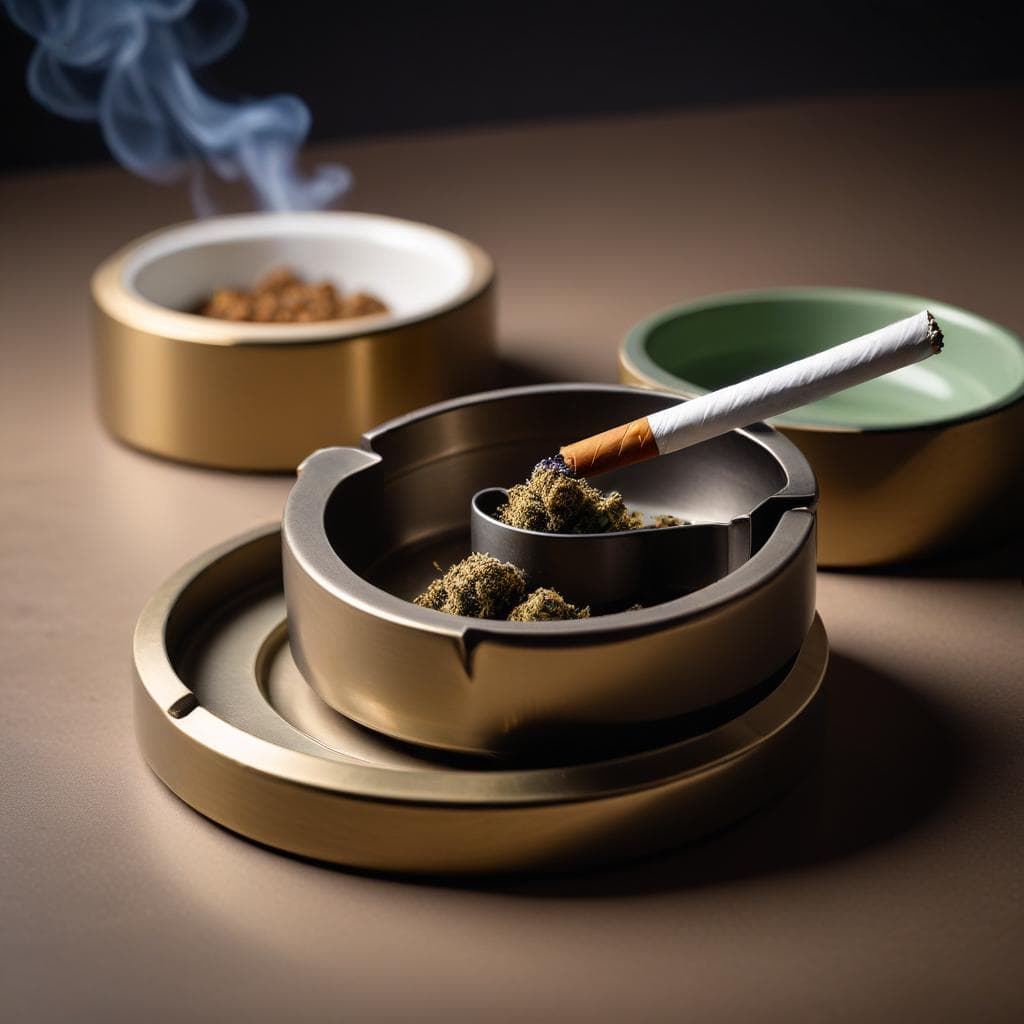
Ashtray Printing Methods: Guide to Custom Branding Techniques
Custom Ashtray Printing Methods Explained
The printing method you choose for your custom ashtrays significantly impacts appearance, durability, and cost. Understanding the options helps you select the best technique for your brand and budget.
Overview of Printing Methods
| Method | Best For | Durability | Cost | Color Options | |--------|----------|------------|------|---------------| | Screen Printing | Flat surfaces, simple designs | High | Low-Medium | Limited (1-4 colors typical) | | Pad Printing | Curved surfaces | High | Low-Medium | Limited | | Digital/UV Printing | Complex, full-color designs | Medium-High | Medium | Unlimited | | Laser Engraving | Metal/wood, permanent marks | Excellent | Medium-High | Single (material color) | | Decal Application | Detailed designs on ceramics | Medium | Low-Medium | Unlimited | | Embossing/Debossing | Texture, premium feel | Excellent | Medium-High | Single |
Screen Printing
The traditional method for promotional products:
How It Works
Ink is pushed through a mesh screen onto the ashtray surface. Each color requires a separate screen, applied one at a time.
Advantages
- Cost-effective for large runs: Setup costs spread across quantity
- Vibrant colors: Thick ink application produces bold results
- Durable: Cured ink bonds strongly to surfaces
- Proven reliability: Decades of industry use
Limitations
- Color limitations: Each color adds cost
- Setup fees: Screen creation required per color
- Flat surfaces best: Curved areas challenging
- Not ideal for gradients: Works best with solid colors
Best Materials
- Glass ashtrays
- Metal ashtrays (flat tops)
- Ceramic (with proper preparation)
- Some plastics
Cost Factors
- Number of colors (each requires setup)
- Quantity (higher quantities = lower per-unit cost)
- Print area size
- Material preparation needs
Recommended For
- Simple logos (1-3 colors)
- Large quantity orders
- Budget-conscious projects
- Bold, graphic designs
Pad Printing
Ideal for curved and irregular surfaces:
How It Works
A silicone pad picks up ink from an etched plate and transfers it to the product surface. The flexible pad conforms to curved shapes.
Advantages
- Curved surface capability: Conforms to any shape
- Fine detail: Captures intricate designs
- Consistent results: Reliable reproduction
- Multi-surface: Works on various materials
Limitations
- Smaller print areas: Pad size limits coverage
- Color limitations: Like screen printing, costs increase per color
- Thinner ink layer: May be less vibrant than screen printing
Best Materials
- Curved silicone ashtrays
- Cup-style designs
- Irregularly shaped ashtrays
- Textured surfaces
Recommended For
- Curved ashtray designs
- Small, detailed logos
- Products with irregular shapes
- Multi-surface products
Digital/UV Printing
Modern technology for full-color designs:
How It Works
Digital printers apply ink directly to surfaces, similar to inkjet printing. UV light instantly cures the ink for durability.
Advantages
- Full color: Unlimited colors at no extra cost
- Photographic quality: Prints complex images, photos, gradients
- No setup fees: Direct-to-product printing
- Low minimums: Cost-effective for small orders
- Quick turnaround: No screen preparation needed
Limitations
- Surface requirements: Works best on flat, smooth surfaces
- Per-unit cost: May be higher than screen printing at high volumes
- Material compatibility: Not all materials accept UV ink well
Best Materials
- Flat-topped metal ashtrays
- Smooth plastic surfaces
- Specially coated ceramics
- Glass ashtrays with flat tops
Recommended For
- Complex, multi-color designs
- Photographic elements
- Small quantity orders
- Frequently changing designs
- Detailed artwork
Laser Engraving
Permanent marking for premium products:
How It Works
A focused laser beam removes surface material, creating permanent marks. The process can engrave, etch, or mark depending on power and material.
Advantages
- Permanent: Cannot wear off or fade
- Premium appearance: Sophisticated, high-end look
- Precise: Captures fine details accurately
- No consumables: No ink to fade or peel
- Tactile: Creates dimensional texture
Limitations
- Single color: Creates marks in material color (or exposed sublayer)
- Material specific: Works best on metals, wood, some plastics
- Higher cost: Slower process than printing
- Not for full-color: Single-tone results only
Best Materials
- Stainless steel ashtrays
- Anodized aluminum
- Wooden ashtrays
- Coated metals (reveals sublayer)
Recommended For
- Luxury brand positioning
- Single-color logos
- Premium gifts and awards
- Long-term durability needs
- Executive promotional items
Decal/Transfer Application
Versatile decoration for various surfaces:
How It Works
Designs are printed on special transfer material, then applied to the ashtray surface. Heat or water activates adhesion.
Types
- Water-slide decals: Soaked and slid onto surface, fired for ceramics
- Heat transfers: Applied with heat and pressure
- Sublimation transfers: Dye infused into surface (coated items)
Advantages
- Full color capability: Complex designs possible
- Versatile application: Works on many materials
- Detailed artwork: Photographic quality achievable
- Flexible positioning: Apply where needed
Limitations
- Durability varies: Depends on application method
- Application skill: Requires proper technique
- Surface requirements: Must be suitable for adhesion
Best Materials
- Ceramic ashtrays (fired decals)
- Coated metal
- Smooth plastics
- Specially prepared surfaces
Recommended For
- Detailed ceramic designs
- Full-color artwork on ceramics
- Custom, complex imagery
- Small batch customization
Embossing and Debossing
Dimensional branding without ink:
How It Works
- Embossing: Raises design above surface (pushed up from behind)
- Debossing: Presses design into surface (pushed down from front)
Advantages
- Tactile quality: Dimensional, touchable branding
- Permanent: Part of the material itself
- Elegant: Sophisticated, premium appearance
- Durable: Cannot fade or wear off
Limitations
- Material requirements: Needs malleable materials
- Simple designs: Best for bold, simple logos
- Single tone: No color (unless filled)
- Tooling costs: Custom dies required
Best Materials
- Metal ashtrays
- Leather-wrapped designs
- Thick silicone
- Soft materials
Recommended For
- Luxury branding
- Simple, bold logos
- Tactile brand experience
- Premium product lines
Choosing the Right Method
By Budget
- Limited budget: Screen printing, pad printing
- Moderate budget: Digital printing, decals
- Premium budget: Laser engraving, embossing
By Design Complexity
- Simple (1-2 colors): Screen printing, laser engraving
- Moderate (3-4 colors): Screen printing, pad printing
- Complex (full color): Digital printing, decals
By Quantity
- Small runs (under 100): Digital printing
- Medium runs (100-1000): Screen printing, pad printing
- Large runs (1000+): Screen printing most economical
By Material
- Metal: Laser engraving, screen printing, digital
- Glass: Screen printing, decals
- Silicone: Pad printing, screen printing
- Ceramic: Decals, screen printing
Working with MunchMakers
MunchMakers offers multiple printing options for custom ashtrays:
- Expert guidance on best methods for your design
- Free mockups showing expected results
- Quality printing across all methods
- Competitive pricing at any quantity
Getting Started
- Determine your design complexity
- Consider your budget and quantity
- Review material options
- Request a free mockup
- Discuss options with our team
Conclusion
The right printing method brings your brand to life on custom ashtrays. Consider your design complexity, budget, quantity, and desired appearance when selecting a technique. When in doubt, consult with MunchMakers for expert recommendations tailored to your specific needs.
Ready to explore printing options? Contact us for personalized guidance on your custom ashtray project!
Ready to Create Your Custom Ashtrays?
Put your brand in your customers' hands. Get a free mockup in 24 hours.